Showing posts with label Classroom Technology. Show all posts

Tuesday, 8 December 2020

Recap of the 5th Innovative Learning Spaces Summit


We had a fantastic time hosting the 5th Innovative Learning Spaces Virtual Summit on November 26th and 27th, 2020.

Valuable industry knowledge was shared over the two-day event focusing on designing learning spaces that empower learners and teachers to succeed.

The event was chaired by Mark Swales with Sheffield Hallam University. He moderated us through discussions with educational experts from University of Amsterdam, University of Glasgow, University of Copenhagen and more.

On the first day, we discussed topics about the future role of informal learning spaces when thinking about the whole educational ecosystem and how institutions changed their approach in light of the pandemic.
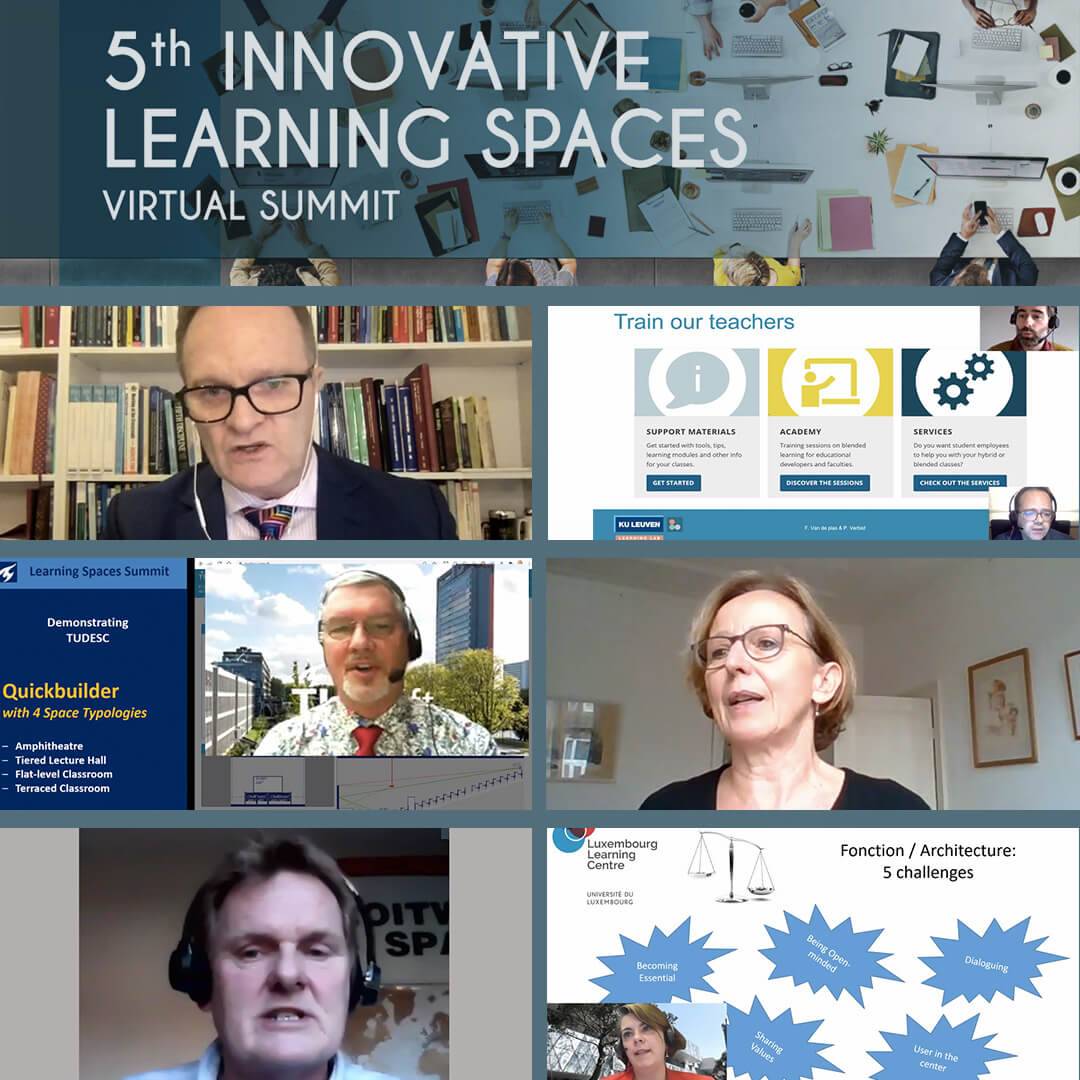
We also had the pleasure to experience a virtual interactive session that was led by Anna Donato, from Creative Workshop Design, which showed how we can use creative thinking during times of crisis for personal growth.

It was a great networking opportunity that allowed people to connect with other attendees and build the foundation for professional relationships with other educators.
The second day was filled with practical case studies about the developments in immersive technology to support on/off-campus learnings and how the shift to online learning is integral to programmes of study.

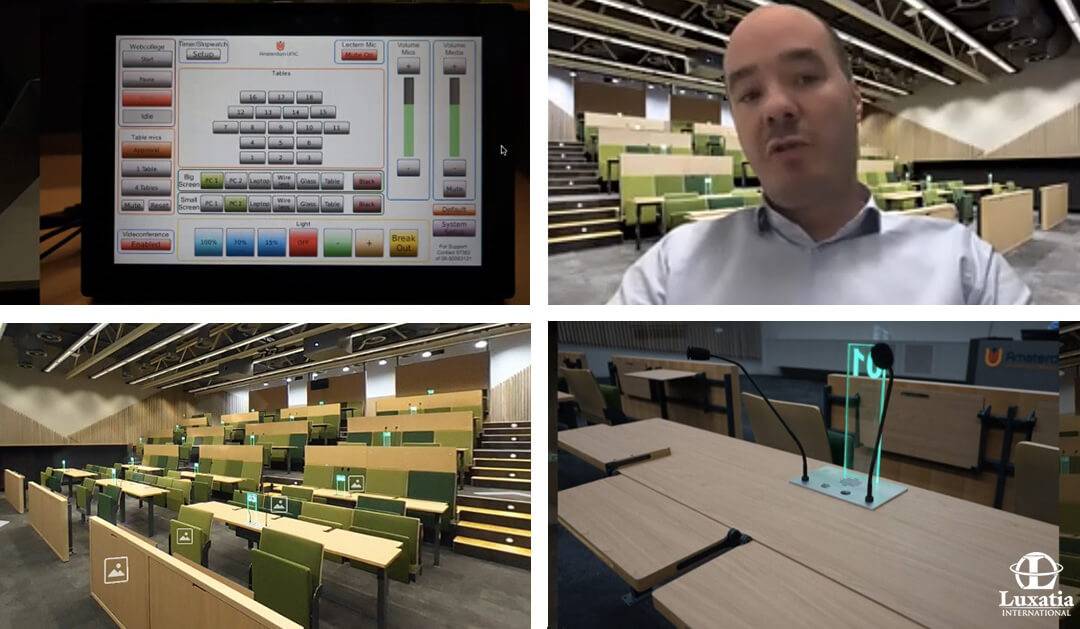
We had a wonderful time with Tom Broens virtually touring the renovated University of Amsterdam multi-functional active learning space. It provided a real-life example of how technology can adapt quickly to different learning styles and support longer interactive sessions with learners.
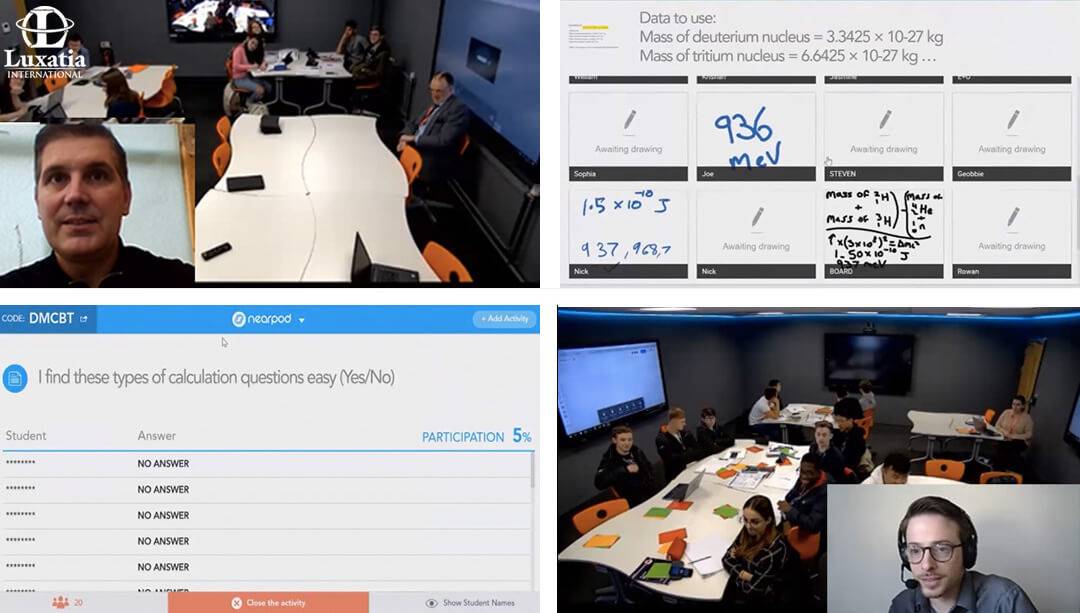
Attendees also had the pleasure to experience a great demo case study from Dan Pearson, Principal and CEO with USP College.

Through a live lesson demo, Dan was able to show us how USP College created an immersive space to enable collaborative learning that supports multi-campus delivery and discussed the positive impact these spaces have on learning outcomes.
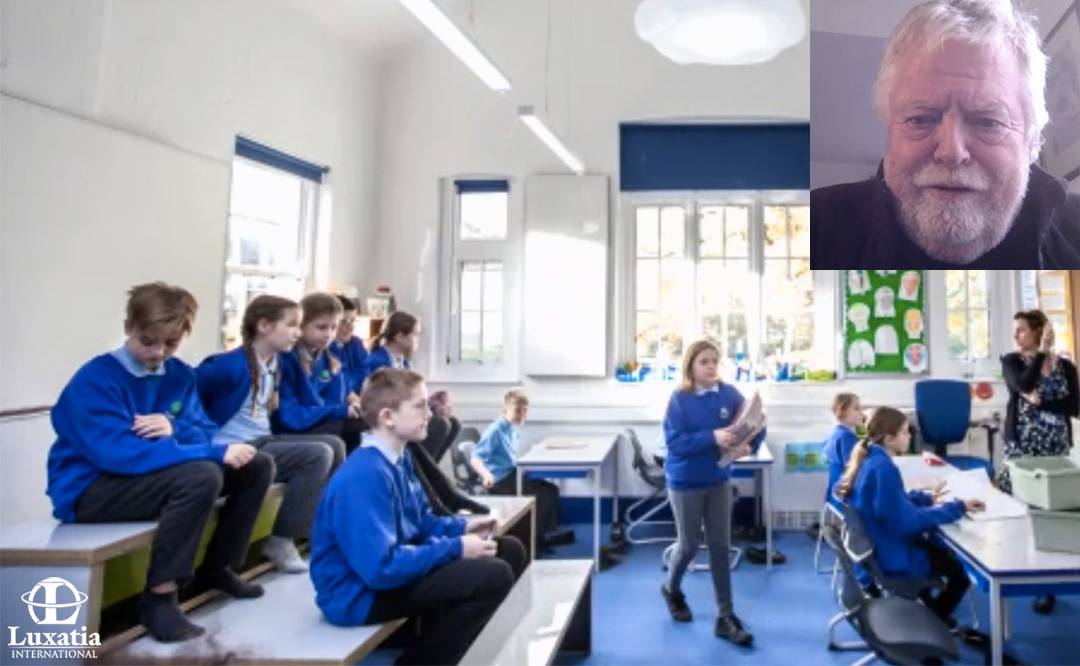
Stephen Heppell, with Universidad Camilo José Cela, followed and shared his perspective on how the era of coronavirus lockdowns and isolation have redefined spaces of learning and working.

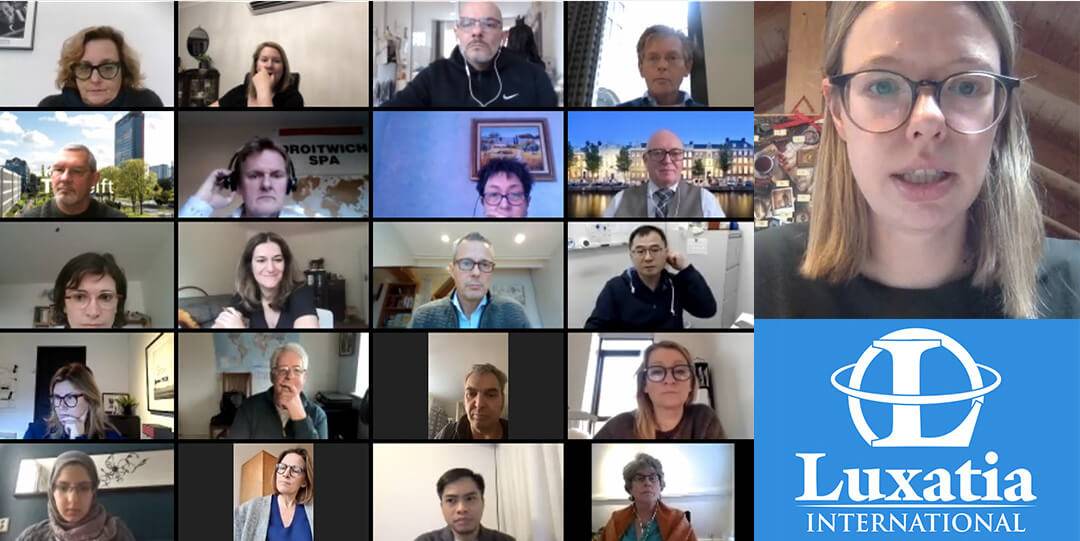
Even though we were not able to meet in person this year, we were still able to generate engaging group conversations through our interactive sessions across both days.
The summit closed with more industry insights focusing on innovative design that transcends the physical boundaries of space and how design thinking can create thoughtful learning spaces.
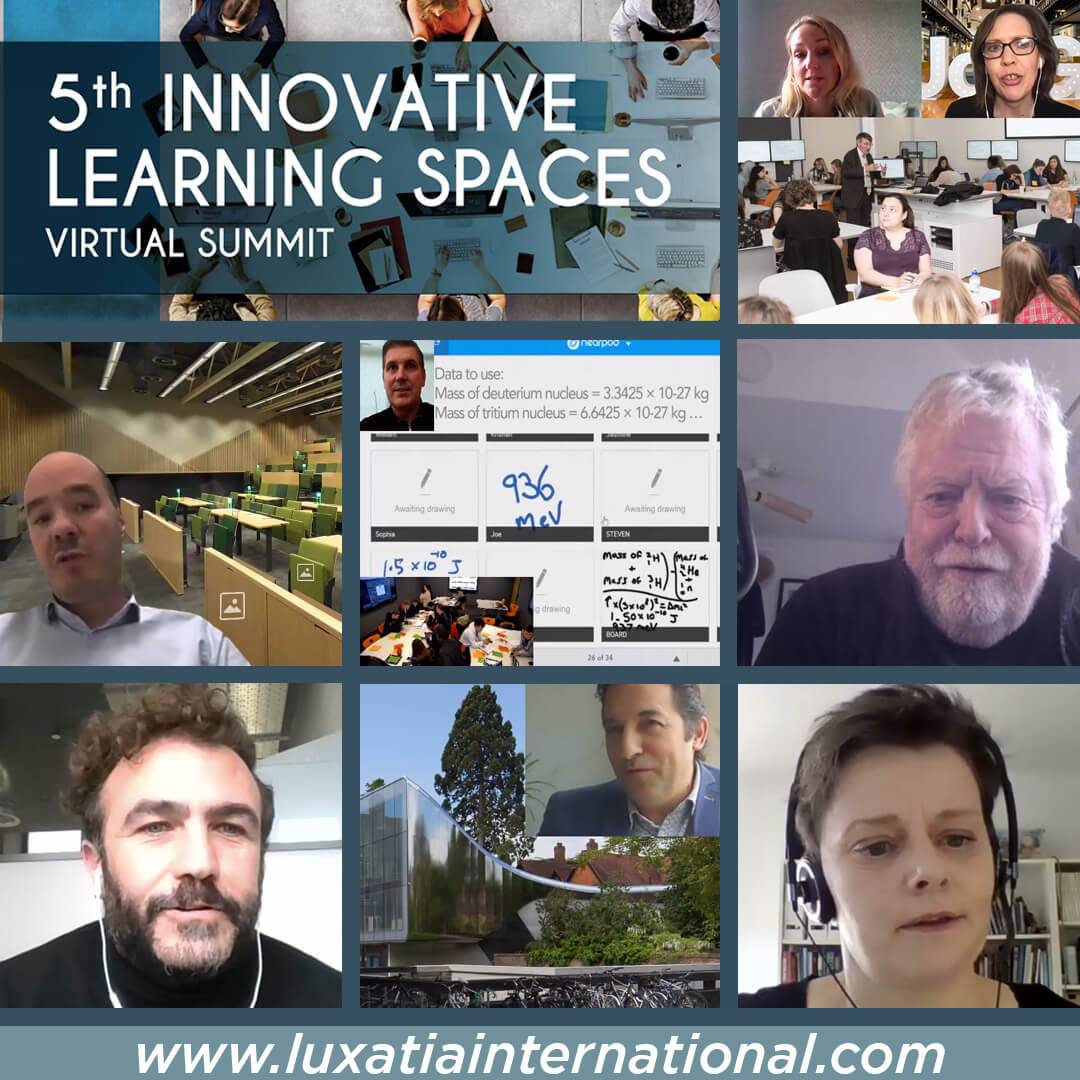
It was refreshing to see and hear from others that are invested in the latest innovations in learning environments.

We are so happy that during this difficult year we’ve had that we can provide an ideal atmosphere conducive for active engagement, networking and knowledge exchange that supports new innovative thinking.      

If you missed your opportunity to join this event, feel free to join our LinkedIn group which includes many of the speakers and attendees from the event. You can network with a group of like-minded individuals and stay up to date on the next edition.

Tuesday, 5 May 2020

The Importance Of Digital Learning Spaces During COVID-19 and Beyond


As the impact of COVID-19 spreads across the globe, it has left schools scrambling to quickly adapt to a new way of doing things: online only! If the importance of virtual classrooms wasn’t apparent before, it is now.
Virtual learning can supplement existing classes, promote inclusive learning and maintain educational continuity in the face of long-term closures (which we’ve most recently seen).
As more educators are utilizing virtual classrooms, we can take a closer look at the advantages:

High Interactivity

In traditional learning environments, there was primarily one communication channel being used in the classroom: face to face communication between the teacher and student. In an effective virtual classroom, there would be multiple channels such as instant messaging, voice chat, and video conferencing.
This allows students to communicate in the manner they are most comfortable while allowing the teacher to easily adapt to individual students’ needs. Live virtual classrooms provide similar agility and responsiveness of an in-person class.
Shared workspaces also help maintain engagement with the course materials.

Collaborative Learning

One of the biggest concerns with moving to a digital learning space is the loss of physical interaction with others. While that is a valid concern, educators don’t have to sacrifice collaborative learning in digital spaces. There are several platforms that allow breakout sessions, similar to working in pairs or small groups in a physical classroom. Students can also work together through shared files, digital whiteboards and more.

Content Variety

Many educators have already adopted interactive whiteboards in the classroom. In fact, the interactive whiteboard market is expected to grow 
Virtual classrooms provide similar benefits by allowing educators to bring in different file types, embed media and access a wide range of learning material.

Challenges Moving From Physical to Digital Spaces

There are clearly many benefits of transitioning to digital learning spaces but what challenges might you run into?
During the , education experts will be in attendance sharing first-hand examples of how their universities responded to COVID-19, the innovations they utilized during the pandemic and what future learning spaces will look like.
 and  to join us in Amsterdam for 2-days of knowledge sharing, interactive sessions and networking opportunities.

Wednesday, 14 August 2019

4th Innovative Learning Spaces Summit: Interview With The Chairman Mark Swales


1) Can you tell us about Sheffield Hallam University and their vision for the industry?
Universities shape lives. For almost two centuries, Sheffield Hallam — and its predecessor institutions — has exercised a powerful impact on the city, region, nation and world. It has an impressive history. In rapidly changing times, the demands on universities are multiplying. The world needs universities to respond quickly, applying academic excellence, innovative research and open-minded engagement in new ways to meet society’s needs.
2) In 2012, Sheffield Hallam implemented energy efficient upgrades. Can you explain those upgrades a little bit and how they positively affected the teaching and learning structure on campus?
We were one of the first University’s in the world to be accredited with the ISO50001 Energy Management Standard. This requires us to continually demonstrate improvements in meeting reduction targets on our energy consumption, a great discipline to have with increased costs of utilities and developments in renewable energy sources. We have a strong focus on managing costs and building innovation into how we deliver our requirements in a sustainable way. We’ve adopted a wide range of technical solutions from ground source heat pumps to generating our own electricity and having a campus wide building management system in place to monitor performance.
3) What advice do you have for teachers who want to redesign their classroom but are not sure where to start or might not have the budget?
Always start with the learning outcomes you wish to achieve. Any design needs to be student centered, recognising the varying requirements from different student groups (e.g. undergraduate v postgraduate) and the diversity of the student body.
Next add the need for any space to be agile so it can be used for multiple users where practicable and affordable. Agility costs money but if it leads to higher levels of space utilisation it may in the end be a worthwhile investment to make.
4) What are some of the latest learning spaces innovations that you are excited to see enter the market?
I think that student centered learning where the academic program is a facilitator rather than pronouncer of knowledge is very exciting. The challenge is that practice is inconsistent at the moment so we are very much in a transitional phase. The potential for digital learning both on and off campus is both exciting and terrifying as the potential and impact are yet to be quantified. That is why the summit is so useful because you get to hear about how these challenges are being met globally.
Read the rest of Mark Swale’s interview here and learn more about the 4th Innovative Learning Summit. Then, request your brochure here.